

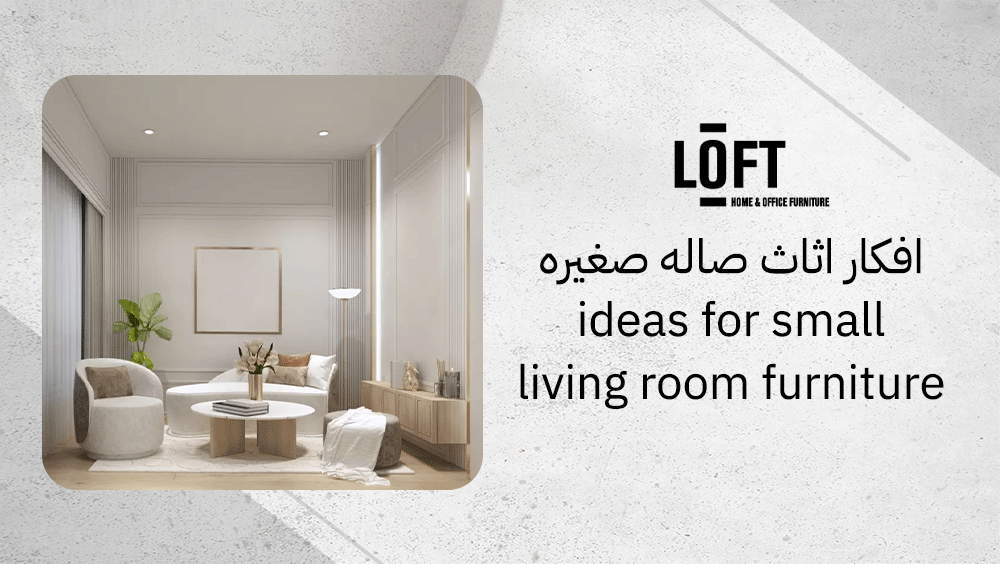
Furnishing a small living room can feel like a puzzle — every inch matters, and the goal is to make the space both comfortable and stylish without feeling cramped. When space is limited, it’s easy for furniture to overwhelm the room or leave it feeling cluttered. That’s why finding smart ideas for small living room furniture becomes essential. The challenge is to balance functionality with aesthetics, creating a space that looks inviting and works hard for everyday living.
What are the best ideas for small living room furniture?
Smart furniture choices can completely transform a compact living room into a cozy, functional space. The best ideas for small living room furniture revolve around versatile pieces that serve more than one purpose. Storage ottomans can hide blankets or magazines, adjustable sectionals adapt to your space, and daybeds offer both seating and sleeping areas. Nesting tables are another clever option—they can be stacked together to save room or spread out when guests arrive. Keeping furniture lightweight and easy to move, such as poufs or slim side chairs, helps create flexible arrangements for socializing or relaxing. The secret lies in maintaining proportion and visual flow; avoid bulky items and select designs that can be tucked away when not in use.
Why multifunctional pieces?
Multifunctional furniture is the backbone of ideas for small living room furniture, helping maximize both comfort and efficiency in limited spaces. By combining multiple roles—such as seating with built-in storage or lounging that easily converts into sleeping—these smart pieces reduce clutter and free up valuable floor space. A coffee table with hidden compartments or a sofa bed can seamlessly adapt to different moments throughout the day. This level of flexibility keeps a small living room organized, practical, and inviting without compromising on style or comfort.
How do open designs help?
Furniture with open bases, glass tops, or slim frames encourages an airy, uncluttered atmosphere. Pieces that expose more floor area trick the eye into reading the room as larger than it is. Curved lines and transparent materials soften the layout, creating a gentle flow rather than heavy visual blocks. The result is a space that feels balanced, breathable, and easy to move through.
Which light colors work best?
Light, neutral shades are a true ally in small spaces and form an essential part of ideas for small living room furniture. Whites, beiges, and soft blues reflect natural light, making the room appear brighter and more open. When these tones are used for main furniture pieces and walls, they help unify the space and visually expand it. Pairing neutral hues with simple textures or subtle accents maintains warmth while avoiding visual clutter, allowing the room to feel calm, balanced, and spacious.
How can you arrange furniture efficiently?
Arranging furniture in a small living room is all about balance and smart use of space. Sectional sofas fit beautifully into a corner, giving you maximum seating without crowding the room. Creating an L-shaped or semi-circular setup around a TV or a bright window helps define the area and makes it feel organized and welcoming. Movable pieces like lightweight chairs or ottomans can easily be re‑positioned to encourage conversation or open up space when needed.
Keeping walkways open is essential for comfort and flow. Instead of pushing every piece against the wall, try floating furniture—like a compact sofa or side table—a few inches away to give the illusion of more depth. Combining this with vertical storage, such as slim shelves or hanging cabinets, maximizes efficiency without overwhelming the floor layout.
- Choose a coffee table that sits within easy reach of every seat without interrupting movement.
- Place a small bookshelf beside a sofa arm to act as extra storage or a side table.
- Opt for a floating desk beneath a window to make use of natural light and save floor space.
- Keep furniture low in height near windows to let sunshine fill the room freely.
What layouts suit small spaces?
For smaller living rooms, flexible layouts are among the most practical ideas for small living room furniture, allowing the space to feel organized without feeling cramped. L-shaped and semi-circular arrangements help visually define different zones—such as a viewing corner or a cozy reading nook—without the need for physical dividers. Grouping furniture pieces around a central element, like a rug or a low table, creates a sense of unity while still leaving enough breathing room for comfortable movement and easy circulation.
Where should focal points go?
A well‑placed focal point anchors the layout and brings the room together. This could be your TV, a large artwork, or even a statement chair. Arrange seating so it naturally draws attention toward that feature while maintaining open sightlines and a comfortable distance between elements.
- Center the TV or artwork where it can be viewed from most seats without neck strain.
- Balance a bold focal piece with lighter furniture around it to prevent a crowded look.
- If using a window as the main focus, avoid tall furniture that blocks natural light.
- Add small accents, such as plants or lamps, to frame the focal point and enhance harmony.
How do color and lighting impact space?
Light and color play a huge role in how spacious or compact a small living room feels, making them central to smart ideas for small living room furniture. Using a consistent color palette—especially light, neutral, or monochrome tones—across furniture, walls, and curtains creates a seamless visual backdrop. This continuity reduces harsh contrasts and allows the eye to move naturally through the space, helping the living area appear more open, fluid, and comfortably balanced.
Light and color play a huge role in how spacious or compact a small living room feels, making them central to smart ideas for small living room furniture. Using a consistent color palette—especially light, neutral, or monochrome tones—across furniture, walls, and curtains creates a seamless visual backdrop. This continuity reduces harsh contrasts and allows the eye to move naturally through the space, helping the living area appear more open, fluid, and comfortably balanced.
Light and color play a huge role in how spacious or compact a small living room feels, making them central to smart ideas for small living room furniture. Using a consistent color palette—especially light, neutral, or monochrome tones—across furniture, walls, and curtains creates a seamless visual backdrop. This continuity reduces harsh contrasts and allows the eye to move naturally through the space, helping the living area appear more open, fluid, and comfortably balanced.
Smart lighting choices also shape the atmosphere of the room. Sheer curtains diffuse natural light beautifully, while slim floor lamps or indirect LED strips gently brighten corners and ceilings without taking up space. Subtle accent lighting can even highlight architectural features like textured walls or shelving, giving depth without visual weight.
- Use monochrome or matching tones for upholstery, curtains, and walls to maintain harmony.
- Choose LED strips or overhead accent lights to highlight ceiling lines or artwork.
- Paint the ceiling in a slightly deeper shade to create dimension without shrinking the feel.
- Add colored trims or window frames to draw attention to unique structural details.
Which fabrics and finishes look best?
When choosing fabrics, lean toward tactile and matte materials that absorb light softly. Upholstery in cotton, linen, or soft velvet brings a gentle texture without creating glare, while matte finishes on tables or cabinets help reduce reflections that can exaggerate clutter. These materials add warmth and comfort while keeping the space visually clean.
How to use layers?
Layering decor is an easy way to add depth without overcrowding the room. Start with functional comfort—then build gentle layers through textiles and subtle patterns that enrich the space without overwhelming it.
- Place a plush rug under your main seating to anchor the layout.
- Add soft throws or textured cushions for warmth and variety.
- Mix small-scale patterns with solid fabrics to introduce quiet personality.
- Use layering to guide the eye, leading it through different textures rather than busy colors.
How can you use walls and ceilings for more space?
When space is tight, every wall can work a little harder, which is why wall-mounted solutions are key ideas for small living room furniture. Floating shelves, wall-mounted cabinets, and TV units free up floor space while still providing valuable storage and display opportunities. This approach keeps the room feeling open and airy, while making the most of vertical space without sacrificing style or functionality.
- Floating bookshelves are perfect for stacking your favorite reads or decorative items without occupying floor space.
- Display ledges above windows make use of underused areas, adding height and visual interest.
- Hanging cabinets provide hidden storage for small items while keeping surfaces clutter-free.
- Hooks for baskets or lighting let you hang everyday essentials or pendant lamps creatively, saving table or floor lamp space.
Installing these features above eye level draws attention upward, instantly making the room feel taller and more open. This upward focus also complements other strategies—like adding mirrors to reflect light and placing tall plants—to stretch the room visually. For even more efficiency, discreet storage boxes tucked behind or under sofas, or slender vertical cupboards, keep things tidy without interrupting the overall flow.
Can ceilings change the feel?
Absolutely. Ceilings can dramatically shift how a small living room feels. Painting the ceiling a deep yet complementary color, such as navy or charcoal, adds perceived depth and defines different zones within an open plan. This approach introduces contrast that subtly reshapes proportions, making low spaces seem deeper and cozier. A thoughtfully treated ceiling not only enhances style but also balances the vertical dimension, completing the illusion of a taller and more spacious room.
What are the key comfort and style tips?
For those exploring ideas for small living room furniture, comfort and visual harmony depend on smart planning and subtle details. Arrange furniture around a central feature like a TV or fireplace to create a cohesive focal point. Choose high-quality, minimalistic pieces that age gracefully and occupy less visual space. Mixing soft and textured materials — think linen cushions, wool rugs, or smooth leather accents — adds inviting depth without feeling heavy. Keep the remaining floor space as open as possible to maintain a sense of lightness and flow.
How to combine function & beauty?
A stylish yet practical small living room blends warmth with a modern edge. Use soft textiles such as throws or cozy area rugs to bring comfort, while metal, glass, or matte finishes add a touch of industrial elegance. Open shelving and visually lightweight furniture allow the room to breathe, making it appear larger. Limit decorations to a few curated accessories or sleek slipcovers instead of overfilled shelves — this balance highlights functionality without compromising beauty.
Which accents boost the mood?
- Use a modern area rug to define zones and introduce soft texture underfoot.
- Add chic slipcovers that refresh the look and protect furniture from wear.
- Incorporate curated décor pieces like minimalist vases or framed prints for a personal touch.
- Keep accents subtle and spacious, allowing key pieces to stand out gracefully.
What are the best small living room products from Loft Furniture?
Loft Furniture stands out as a contemporary home furnishings and accessories brand dedicated to creating smart, stylish solutions for compact and urban living spaces. It offers a curated range of unique, customizable pieces that combine functionality with aesthetic appeal. Through thoughtful design and well-crafted materials, Loft Furniture helps people shape interiors that feel both personal and practical, ensuring excellent quality and value in every product.
Enfold Armchair
The Enfold Armchair from Chairs section embodies comfort and modern simplicity, making it a perfect fit for small living rooms. Its soft, cocooning white fabric and gently curved armrests create a relaxed, inviting atmosphere ideal for reading or lounging. With compact dimensions of 94 x 84 x 73 cm, it slips easily into cozy corners or beside a sofa as a stylish accent piece. Its subtly textured upholstery and balanced proportions offer a tactile and visual warmth, while the short, set-back wood legs provide stability and flexibility for different room layouts.
Marble Sofa Set
The Marble Sofa Set from Sofas section blends generous comfort with a minimal footprint, designed specifically for modern small living rooms. This neutral light beige three-seater features wide, flat armrests and deep, supportive cushions that invite lounging without overwhelming the space. Its clean, grounded platform base maintains a sleek, open look that complements compact interiors. Measuring L208/168 x D96 x H85 cm, it provides ample seating while preserving a sense of spaciousness. The durable, tight-weave fabric ensures longevity and effortless upkeep, making it a practical choice for everyday living.
How do contemporary loft furniture trends solve small space challenges?
Urban loft furniture has grown in popularity as city living spaces become smaller and more multifunctional, making it a prime example of smart ideas for small living room furniture. These designs focus on maximizing comfort and usability within limited square footage. Pieces such as sofa beds, foldable dining tables, and storage ottomans allow you to transform a living room into a guest area or workspace in seconds. By emphasizing modular construction and practical proportions, this furniture helps maintain an open, flowing layout without sacrificing comfort. The result is a home that feels flexible, airy, and surprisingly spacious, perfectly suited for modern urban living.
What makes these pieces unique?
Contemporary loft furniture stands out through its distinctive visual harmony—a blend of raw, industrial energy with soft, welcoming touches. Clean lines and exposed materials like metal, wood, and glass are paired with plush textiles, layered rugs, and cozy pillows to balance texture and warmth. Designers also use vertical space creatively, incorporating tall shelving units, wall-mounted cabinets, and suspended lighting to lift the eye upward and expand the visual height of a room. Zoning techniques, such as open shelving or subtle dividers, help define different areas while maintaining flow and light, reinforcing that sense of continuity small spaces need.
Which brands stand out?
Several standout brands have mastered this intelligent approach to small-space living. Modern Loft embodies Italian-Danish simplicity, combining elegance with subtle geometry and versatile functionality. Urban Loft focuses on minimalist, space-saving designs perfect for compact city apartments that demand both form and practicality. Meanwhile, Moroso brings an artistic flair, offering sculptural pieces that serve as both seating and statement art. Each of these names captures a different facet of the ideas for small living room furniture movement—transforming urban interiors into refined, adaptable, and stylish sanctuaries.
Frequently Asked Questions about ideas for small living room furniture
How to furnish a very small living room?
When furnishing a very small living room, focus on maximizing space without sacrificing comfort. Choose smart storage options like ottomans with built-in compartments, storage coffee tables, or wall-mounted shelves to keep clutter out of sight. Multifunctional furniture, such as a sofa bed or nesting tables, allows flexibility and keeps the room open and airy. Keeping furniture lightweight and compact also helps maintain an uncluttered feel while ensuring practicality in a limited area.
What is the 3 4 5 rule for decorations?
The 3-4-5 decorating rule offers a simple formula for creating visually balanced interiors. It suggests using three patterns, four period styles, and five different colors or textures within a single room. This combination encourages diversity and visual richness without overwhelming the space. When applied thoughtfully, it ensures the living room feels cohesive yet layered with charm and character.
What is the 2 3 rule for living rooms?
The 2/3 rule in living room design refers to the ideal sizing of the sofa relative to the main wall or seating area. Your sofa should cover about two-thirds of the wall’s length, maintaining harmony between the pieces. This ratio helps achieve proportional balance, preventing the seating from feeling either too cramped or overpowering within a small space.
Conclusion
Choosing the right ideas for small living room furniture can completely transform limited spaces into cozy, functional, and visually open areas. By selecting multifunctional loft pieces and arranging them strategically, you can create a living room that feels both stylish and spacious—proving that even the smallest rooms can offer comfort and charm when designed thoughtfully.